Do you have a dull marble countertop or a scratched floor tile? Most homeowners think restoring marble requires calling an expensive specialist. However, you can achieve a factory-level mirror finish yourself once you understand how to use diamond polishing pads correctly.
In the stone industry, we don’t just “scrub” the surface; we refine it. Whether you are dealing with etch marks from acidic cleaners or natural foot traffic wear, this guide walks you through the professional process of using a diamond polishing pad to bring back that deep, crystal glow.
Choosing the Right Diamond Polishing Pad
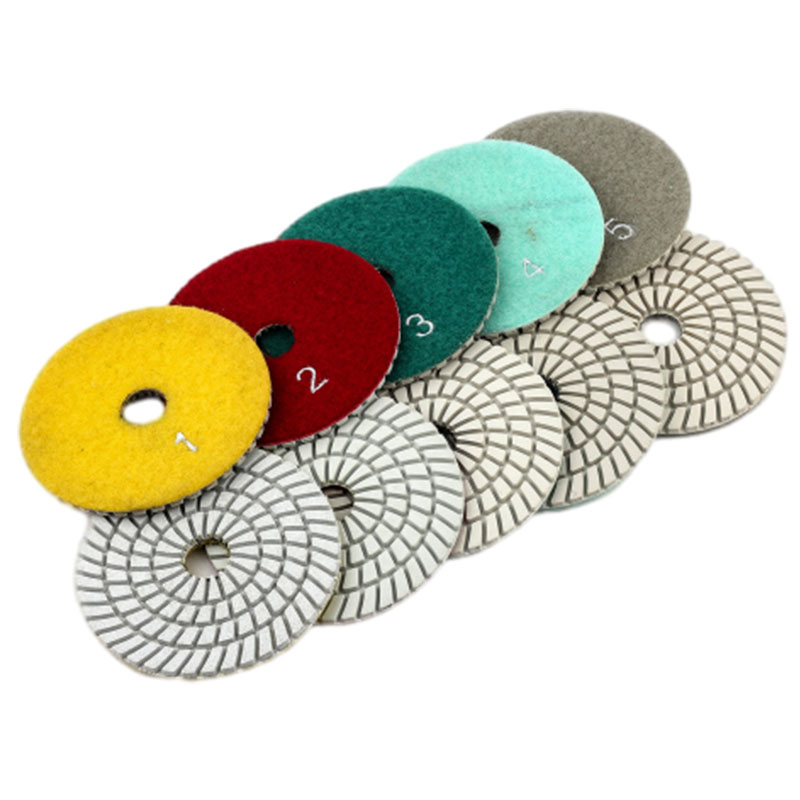
Not all pads are the same. In 2026, the industry is moving toward Hybrid Bond Pads and 3-Step Systems to save time. However, for a perfect marble finish, a traditional 7-step sequence (50 to 3000 grit) remains the safest bet for beginners.
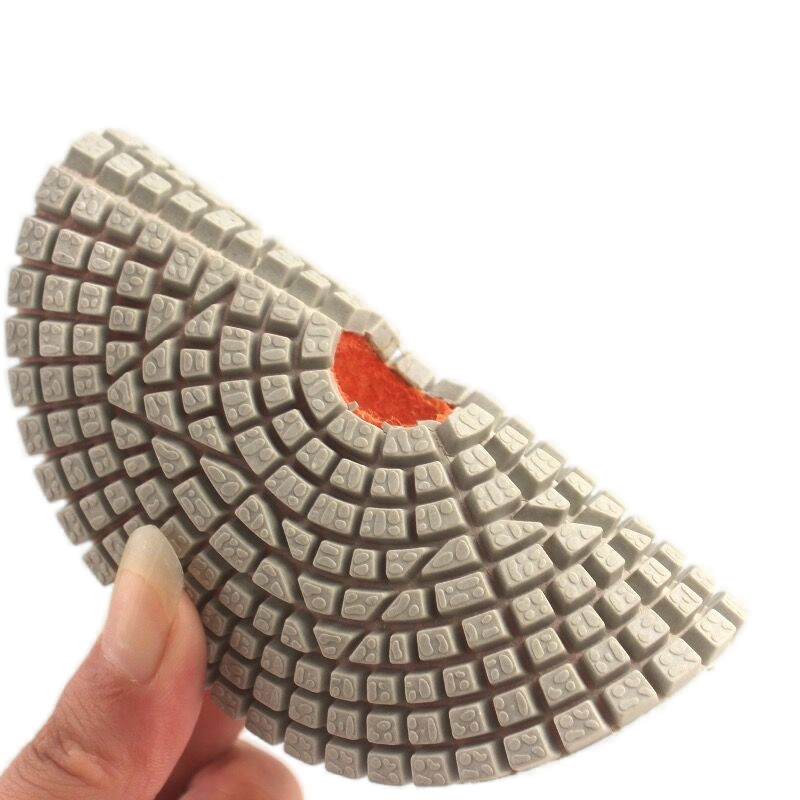
Low grits like 50, 100, and 200 remove deep scratches and “lippage” (those annoying uneven tile edges). Medium grits (400, 800) start to smooth the surface, while high grits (1500, 3000) create the final high-gloss shine. Using a high-quality diamond polishing pad with a dense resin bond ensures the diamonds stay in contact with the stone, preventing “orange peel” textures.
Preparation: Wet vs. Dry Polishing
Before you start, you must decide on your method. Wet polishing is the gold standard for marble. Water keeps the pads cool and eliminates hazardous silica dust. It also extends the life of your diamond tools significantly.
If you must choose dry polishing, only do so with a high-quality vacuum shroud and pads specifically rated for dry heat. Marble dust is incredibly fine and messy; avoid dry grinding indoors without professional-grade extraction.
How to Use Diamond Polishing Pads: Step-by-Step
1. Clean and Inspect
Start by cleaning the marble with a pH-neutral cleaner. Identify the deepest scratches. If the stone is relatively flat and only dull, you might skip the aggressive 50-grit pad and start at 100 or 200 grit to save time and material.
2. The First Pass (Grinding)
Attach your 50-grit pad to a variable-speed polisher. Set the speed to around 2,000 RPM—never go too fast, or you will burn the resin. Keep the polisher perfectly flat. Move in a consistent overlapping pattern, going left to right, then up and down. You must ensure you spend an equal amount of time on every square inch to avoid creating “waves” or dips in the stone.
3. Progressive Refining
This is where most people fail: The grit sequence. You cannot jump from 200 to 1500 grit. Each pad removes the microscopic scratches left by the one before it. Wipe the surface with a squeegee between every grit change and inspect the stone. If you see a stray scratch from the 100-grit pad while you are using the 400-grit pad, you must stop and go back.
4. Creating the Shine
Once you reach 800 grit, you will notice a slight satin glow. When you move to 1500 and 3000 grit, the magic happens. Use more water and slightly less pressure during these final stages. At 3000 grit, the diamond polishing pad should glide effortlessly across the surface, reflecting the overhead lights like a mirror.
Professional Secrets for a Better Result
- Dwell Time: Don’t rush. On average, you should spend 2-3 minutes per square foot for each grit level to ensure the diamonds have done their job.
- The “Squeegee” Test: Always clear the water and dry a small spot to check the progress before moving to the next grit. If the scratch pattern isn’t uniform, the next pad won’t fix it.
- Edge Work: Use a smaller 3-inch diamond polishing pad for corners or tight backsplashes where a standard 5-inch pad can’t reach.
Industry Trend: 3-Step vs. 7-Step Pads
Many contractors now lean toward “3-Step Diamond Pads.” These use a higher concentration of diamonds to do the work of seven pads in just three stages. While they save immense labor time, I recommend them only for experienced users. If you are learning how to polish marble with diamond pads for the first time, stick to the 7-step process. It provides more control and a much more forgiving learning curve.
Safety and Cleanup
Marble slurry—the white mud created during wet polishing—can harden like cement in your drains. Rinse the floor and your pads immediately after you finish. Always wear rubber boots and use a GFCI-protected polisher to stay safe around water. Once dry, your marble will look better than the day it was installed.